
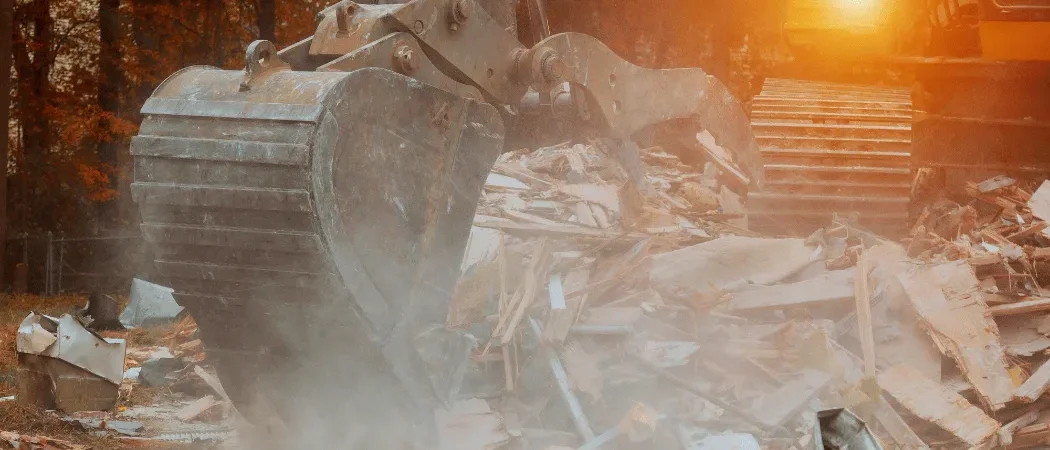
Construction sites are among the most hazardous workplaces, with workers facing risks from heavy machinery, elevated work areas, electrical systems, falling objects, and hazardous materials. Even when safety protocols are followed, accidents can still happen. A construction accident can result in serious injuries, mounting medical expenses, lost wages, and long-term physical and emotional challenges.
Knowing what to do immediately after a construction site accident can protect your health, preserve important evidence, and strengthen your legal claim. Whether your injury is minor or severe, taking the right steps can make a significant difference in your recovery and your ability to obtain compensation. This guide explains the actions you should take after a construction accident and how experienced Construction Accident Lawyers can help protect your rights.
Prioritize Your Safety and Seek Medical Attention
Your health should always be your first priority. If you are injured, move to a safe location if possible and seek immediate medical care. Even if your injuries appear minor, it is important to undergo a medical evaluation because some injuries, such as concussions, internal bleeding, or spinal damage, may not show symptoms right away.
Medical records also play a crucial role in your legal claim. They document the extent of your injuries, establish a connection between the accident and your condition, and provide evidence for compensation claims.
Report the Accident Immediately
Notify your supervisor or employer as soon as the accident occurs. Most employers have procedures for reporting workplace injuries, and timely reporting is often required for workers’ compensation claims.
When reporting the accident:
- Explain exactly how the accident happened.
- Identify any hazardous conditions involved.
- Mention all injuries, even if they seem minor.
- Request a copy of the accident report if available.
Delaying the report may create questions about when and how the injury occurred, potentially affecting your claim.
Document the Accident Scene
If your condition allows, gather as much evidence as possible before the accident scene changes.
Useful evidence includes:
- Photographs of the accident location
- Damaged equipment or machinery
- Unsafe working conditions
- Missing safety barriers or warning signs
- Weather conditions if relevant
- Visible injuries
Construction sites often change quickly, making early documentation extremely valuable for proving negligence.
Collect Witness Information
Witness statements can provide independent accounts of what happened and help support your version of events.
Try to obtain:
- Names of witnesses
- Phone numbers
- Email addresses
- Job titles
- Brief descriptions of what they observed
Witness testimony can become especially important if liability is disputed later.
Preserve Physical Evidence
Do not throw away or alter any clothing, protective equipment, or personal items involved in the accident.
Items worth preserving include:
- Hard hats
- Safety harnesses
- Work boots
- Gloves
- Torn clothing
- Damaged tools
These items may help demonstrate equipment failure or unsafe working conditions.
Keep Detailed Medical Records
Continue following your doctor’s treatment plan and attend every scheduled appointment.
Maintain copies of:
- Medical reports
- Hospital records
- Diagnostic imaging
- Prescriptions
- Physical therapy records
- Medical bills
- Travel expenses related to treatment
Consistent medical documentation strengthens your claim by showing the full extent of your injuries and recovery process.
Avoid Discussing Fault
After an accident, avoid making statements that could be interpreted as accepting responsibility.
Do not say things like:
- “It was my fault.”
- “I’m fine.”
- “I wasn’t paying attention.”
Even casual comments may later be used by insurance companies to reduce or deny compensation.
Instead, stick to the facts when speaking with your employer, investigators, or insurance representatives.
Understand That Multiple Parties May Be Responsible
Unlike many workplace accidents, construction accident cases often involve several potentially liable parties.
Depending on the circumstances, responsibility may include:
- General contractors
- Subcontractors
- Property owners
- Equipment manufacturers
- Engineers
- Architects
- Third-party maintenance companies
- Material suppliers
An experienced legal team can investigate every aspect of the accident to determine who should be held accountable.
Be Careful When Speaking with Insurance Companies
Insurance adjusters often contact injured workers soon after an accident. While they may appear helpful, their primary objective is often to minimize the amount their company pays.
Before accepting any settlement or signing documents:
- Review the offer carefully.
- Avoid providing recorded statements without legal advice.
- Do not sign medical authorizations you do not understand.
- Never accept a quick settlement before knowing the full extent of your injuries.
A settlement accepted too early may not cover future medical treatment or long-term financial losses.
Know Your Legal Rights
Many injured workers believe workers’ compensation is their only option. However, depending on the circumstances, you may also have a third-party personal injury claim.
A third-party claim may arise when someone other than your employer contributed to the accident, such as:
- A negligent subcontractor
- A defective equipment manufacturer
- A careless property owner
- An outside contractor
These claims may allow recovery for damages not available through workers’ compensation, including pain and suffering.
Contact Experienced Construction Accident Lawyers
Construction accident claims can be legally complex. Determining liability, gathering evidence, and negotiating with insurance companies require knowledge and experience.
Experienced Construction Accident Lawyers can help by:
- Investigating the accident thoroughly
- Collecting critical evidence
- Reviewing safety violations
- Interviewing witnesses
- Consulting construction and medical experts
- Calculating current and future damages
- Negotiating with insurance companies
- Representing you in court if necessary
Early legal representation often improves the chances of securing fair compensation.
Compensation You May Be Entitled To
Every case is different, but injured construction workers may be eligible to recover compensation for:
- Medical expenses
- Future medical care
- Lost wages
- Reduced earning capacity
- Rehabilitation costs
- Permanent disability
- Pain and suffering
- Emotional distress
- Wrongful death damages for surviving family members
The value of your claim depends on the severity of your injuries, the degree of negligence involved, and the long-term impact on your life.
Final Thoughts
A construction site accident can have lasting physical, emotional, and financial consequences. Acting quickly after an accident not only protects your health but also strengthens your ability to recover fair compensation. Seeking immediate medical care, reporting the accident, preserving evidence, and understanding your legal rights are all critical steps in the claims process.
If you or a loved one has been injured on a construction site, consulting experienced Construction Accident Lawyers as soon as possible can make a significant difference. At RALPH INJURY ATTORNEYS, we are committed to helping injured workers navigate complex legal claims, hold negligent parties accountable, and pursue the compensation they deserve. With dedicated legal guidance and strong advocacy, you can focus on your recovery while we work to protect your rights and your future.